How to save $5,000 in 6 months: A complete step-by-step guide
Saving $5,000 in six months is a powerful financial goal that can transform your budgeting habits, reduce stress, and help you build momentum toward larger milestones. Whether you want an emergency fund, travel budget, or a financial cushion, hitting this target is absolutely achievable with the right strategy. This guide breaks down the process into manageable steps so you can build discipline, reduce unnecessary spending, and grow your savings faster than you might expect.
1. Understanding the $5,000 savings goal
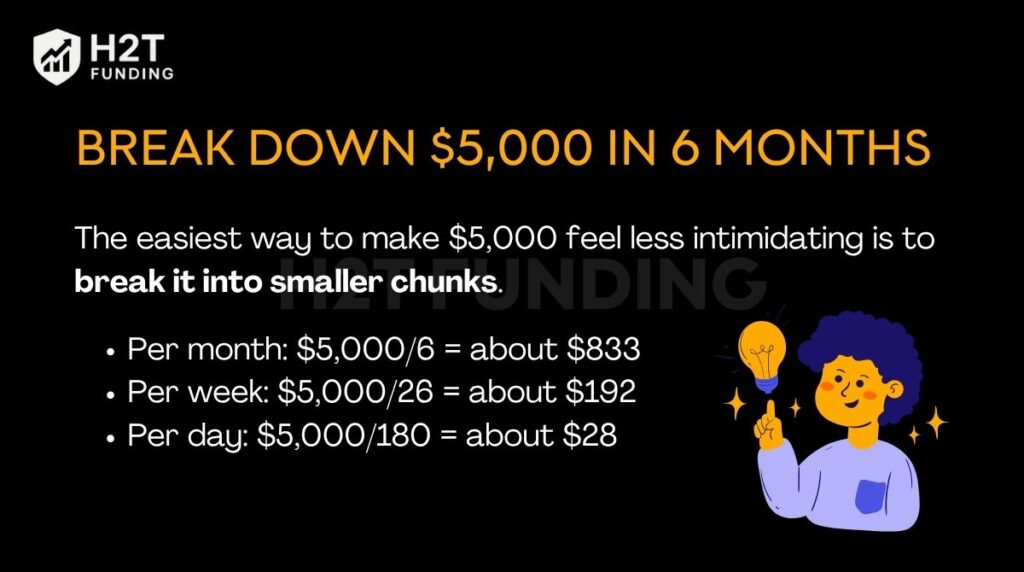
Before jumping into tactics, it’s essential to break down the goal into smaller pieces. This helps you stay motivated and track progress more clearly.
 |
| Break down $5,000 in 6 months |
Saving $5,000 in six months means:
-
$833 per month
-
~$192 per week
-
~$27 per day
When you view the goal in smaller increments, it becomes far more achievable. The key is creating systems that make these daily and weekly savings feel automatic instead of overwhelming.
2. Build a realistic budget that supports your goal
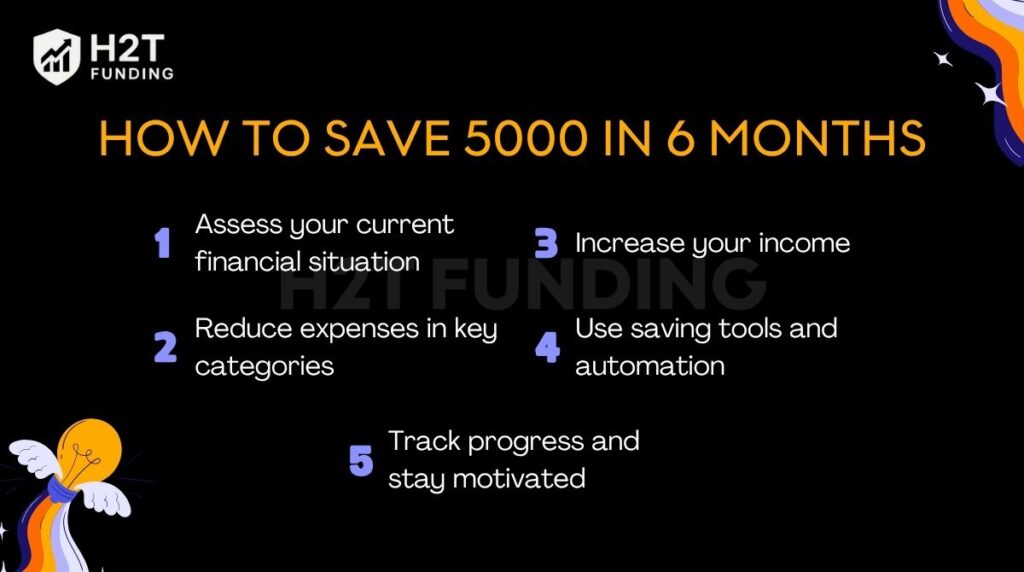
A well-structured budget is the foundation of any successful savings challenge.
 |
| How to save 5000 in 6 months |
2.1 Start with your net income
Calculate your take-home pay after taxes. This gives you a clear picture of how much you truly have to work with each month.
2.2 Identify essential expenses
List categories such as:
-
Rent or mortgage
-
Utilities
-
Groceries
-
Insurance
-
Transportation
-
Debt payments
Subtracting these from your income shows how much discretionary spending you actually have available.
2.3 Apply a savings-first strategy
Instead of saving “whatever is left,” you reframe your budget:
Income – Savings Goal – Essential Expenses – Lifestyle Spending
This method forces you to prioritize saving $833 monthly before allocating funds to non-essential spending.
3. Reduce expenses without sacrificing your quality of life
Cutting expenses does not need to feel restrictive. Small adjustments can add up significantly over six months.
3.1 Trim recurring bills
Review monthly subscriptions and services. Cancel or pause anything unnecessary. Examples include:
-
Unused streaming platforms
-
Gym memberships you don’t use
-
Premium apps
-
Subscription boxes
Even saving $30–$60 per month contributes meaningfully to your goal.
3.2 Adjust grocery habits
Groceries are one of the easiest categories to optimize. Try:
-
Meal prepping
-
Buying generic brands
-
Shopping with a list
-
Limiting food waste
Reducing your grocery bill by $50–$100 per month is realistic for most households.
3.3 Lower entertainment and dining costs
Restaurants, nightlife, and convenience foods add up quickly. Instead:
-
Cook at home more often
-
Host gatherings instead of going out
-
Choose free or low-cost entertainment
Redirecting even $50 per week toward savings accelerates your progress dramatically.
4. Increase your income to boost your savings
Cutting expenses is powerful, but increasing income can double your progress.
4.1 Consider freelancing or gig work
Part-time roles such as rideshare driving, delivery work, tutoring, virtual assistant tasks, or freelance design can bring in $200–$600 per month.
4.2 Sell unused items
You may have items at home that can convert to cash, such as:
-
Electronics
-
Clothing
-
Appliances
-
Furniture
-
Collectibles
Platforms like Facebook Marketplace, eBay, and local community groups make it easy to sell quickly.
4.3 Request additional hours or negotiate a raise
If you’re employed, consider asking for:
-
More shifts
-
Higher pay for seasonal work
-
Overtime
-
A role expansion with compensation
Even a modest increase helps you stay ahead of your savings schedule.
5. Use automation to make saving effortless
Automating your savings is one of the most effective ways to stay consistent.
5.1 Set up weekly automatic transfers
Instead of saving $833 monthly, automate $200 every week. Smaller amounts feel more manageable and prevent overspending early in the month.
5.2 Use sinking funds
Create separate savings “buckets”—like travel, emergency fund, or debt payoff—so your goals remain clear and organized.
5.3 Enable round-up savings
Some banks automatically round up purchases to the nearest dollar and deposit the difference into savings. Over six months, this passive feature can add $50–$150 to your total.
6. Track your progress weekly
Monitoring your savings keeps you motivated and prevents backsliding into old habits.
6.1 Use a visual tracker
Charts, apps, and spreadsheets help you visually measure improvement. Seeing your balance grow keeps you engaged.
6.2 Have weekly check-ins
Set aside 10 minutes every Sunday to:
-
Review spending
-
Move leftover money into savings
-
Plan for upcoming expenses
Consistency is more important than perfection.
7. Cut debt and interest to free up more cash
High-interest debt works against your savings goal. Reducing or restructuring it can dramatically improve your cash flow.
7.1 Refinance or consolidate
A lower interest rate reduces your monthly payments.
7.2 Negotiate with lenders
You may qualify for:
-
Payment extensions
-
Lower interest
-
Temporary hardship programs
7.3 Prioritize high-interest balances
Paying off a credit card charging 25% APR saves you money instantly, allowing more funds to go toward your $5,000 goal.
8. Avoid common pitfalls that slow your progress
Even small mistakes can cost you momentum.
8.1 Emotional spending
Retail therapy and impulse purchases can derail your budget. Use a 24-hour “pause rule.”
8.2 Lifestyle creep
Avoid upgrading your spending when income increases.
8.3 Unplanned expenses
Maintain a $300–$500 micro-emergency fund so you don’t dip into your savings target.
9. Stay motivated with purpose-driven saving
Saving is easier when you connect the goal to something meaningful.
-
A trip you’ve always wanted
-
A safety net for peace of mind
-
Moving into a new home
-
Paying for education or certifications
Purpose keeps you disciplined even when the journey becomes challenging.
10. Final thoughts
Saving $5,000 in six months is a bold goal — but it’s completely achievable with intentional budgeting, consistent habits, and a combination of saving and earning strategies. The key is breaking the goal into manageable pieces, automating your system, and staying focused on why the goal matters to you.
With the right plan, you’ll build stronger financial habits and confidence that extend far beyond this six-month challenge.
https://h2tfunding.com/how-to-save-5000-in-6-months/
#funding #h2tfunding #nganpham #finance #howtosave5000in6months #nganphamh2t


Nhận xét
Đăng nhận xét