Take Control of Your Finances with the 70-20-10 Rule
Managing personal finances can often feel daunting. Between tracking expenses, setting aside savings, and trying to stay out of debt, many people find themselves overwhelmed or unsure where to start. That’s where the 70-20-10 budgeting rule comes in — a straightforward, practical method to organize your income and build financial confidence.
Instead of creating dozens of budget categories, this rule focuses on three primary areas: daily living, future planning, and responsible giving or debt repayment. It’s a flexible framework that helps you live within your means while making room for financial growth.
1. What Exactly Is the 70-20-10 Budget Rule?
At its core, the 70-20-10 rule is about simplicity and structure. It divides your after-tax income into three purposeful allocations:
-
70% for everyday living: Rent, groceries, transportation, utilities, subscriptions, dining out, and personal entertainment all fall under this category.
-
20% for savings and investments: This is where you build your emergency fund, save for future goals, or invest in retirement accounts like IRAs or index funds.
-
10% for debt repayment or charitable giving: This portion helps you make extra progress on outstanding debt or contribute to causes you believe in — beyond any minimum payments already covered in the 70%.
This framework ensures that while you’re meeting your immediate needs, you’re also building a stable financial future and contributing responsibly to others or your financial obligations.
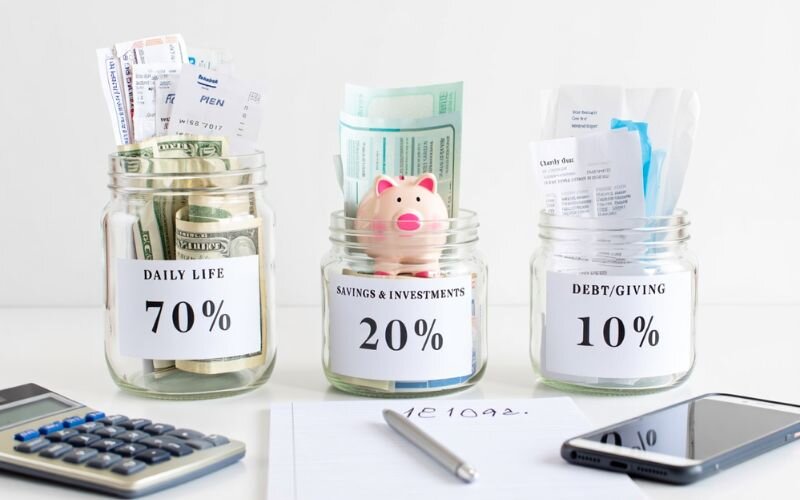 |
| The 70-20-10 rule is a simple way to split your after-tax income into three buckets |
2. How to Get Started with the 70-20-10 Rule
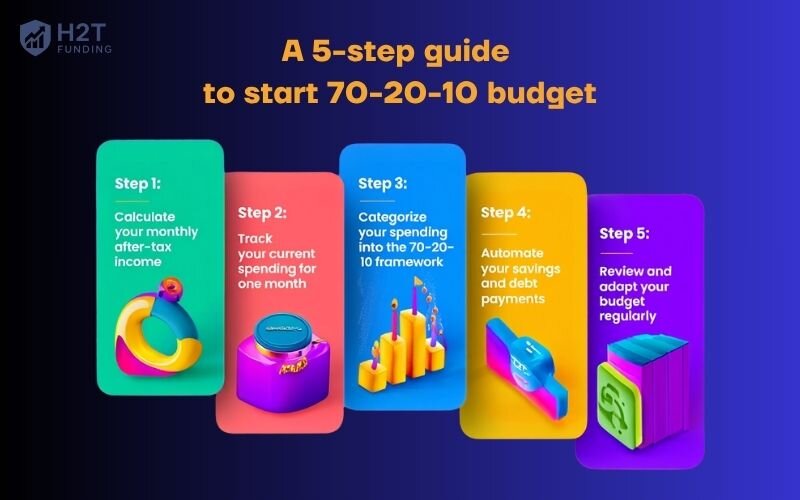 |
| Five steps guide to start the 70-20-10 budget |
Step 1: Know your true monthly income
Start by identifying your post-tax earnings. If your income varies month to month, take a 3 to 6-month average.
Step 2: Track your current expenses
Before implementing any rule, it’s crucial to understand your actual spending habits. Use tools like budgeting apps or spreadsheets to log your transactions over one month.
Step 3: Reorganize your spending
Sort each expense into one of the three categories. This reveals whether your current habits are aligned with the 70-20-10 split and where adjustments are needed.
Step 4: Automate savings and debt payments
Set up automatic transfers to savings accounts or debt repayment channels as soon as your paycheck arrives. This ensures consistency without added effort.
Step 5: Review regularly
Revisit your allocations monthly or quarterly. Life changes — so should your budget. Adjust percentages if needed, based on income growth, debt reduction, or changing goals.
The 70-20-10 budgeting rule offers more than just structure — it delivers peace of mind. By assigning your income into three core categories, you gain clarity and control, whether you’re saving for a goal, paying down debt, or just trying to make your finances feel less chaotic.
🔗 Ready to give it a try? Explore the full guide here: https://h2tfunding.com/what-is-the-70-20-10-rule-money/
#funding
#h2tfunding
#nganpham
#finance
#whatisthe702010rulemoney
#nganphamh2t


Nhận xét
Đăng nhận xét