Choose a simple budgeting method built for beginners
Once you understand your income, track your spending, and define your essentials, the next step is choosing a budgeting method that supports your day-to-day life. A good system gives your money structure without making things more stressful.
There are many methods out there, but the best ones for beginners share three things:
- They’re easy to start.
- They offer clear priorities.
- They help you stay consistent.
Let’s explore three proven methods that have helped thousands of people build healthy money habits, starting from scratch.
The pay-yourself-first method: Prioritize your future self
The pay-yourself-first method is simple; it means every time you receive income, you move a fixed amount into savings before paying any other expenses. The idea is to treat saving as a non-negotiable priority, not something optional.

Even if it’s just 1% of your paycheck or $10 a week, this habit builds consistency and creates financial safety. It also gives you an early sense of success, which helps maintain momentum. You can automate this step through your bank or do it manually, depending on your comfort level.
The 50/30/20 rule: A balanced approach to needs, wants, and savings
This method divides your net income into three clear categories:
- 50% for needs: rent or mortgage, groceries, utilities, insurance, transportation.
- 30% for wants: dining out, entertainment, subscriptions, shopping.
- 20% for savings and debt repayment: emergency fund, retirement contributions, and loan payments.
The 50/30/20 rule offers flexibility while keeping your budget grounded in priorities. It’s especially useful if you don’t want to track every single transaction but still want structure.
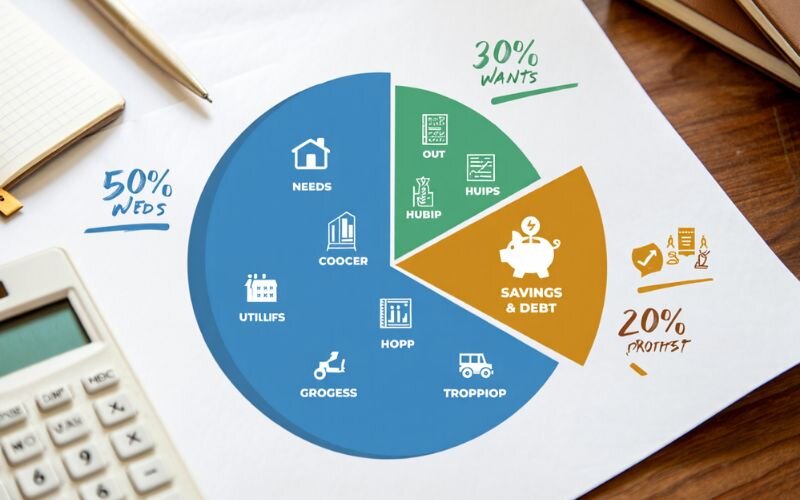
You can adjust the percentages to fit your current situation. For example, if you’re catching up financially, it’s okay to start with 70/10/20 or 60/20/20. The goal is progress, not perfection.
The cash envelope system: A physical way to prevent overspending
Start by identifying spending categories that are easy to lose control over, such as groceries, dining out, or entertainment. Decide how much money you’ll allocate to each for the month. Then withdraw that amount in cash and place it into separate, labeled envelopes.
Each envelope should only be used for its intended purpose. When the money runs out, you pause spending in that category until the next cycle. This system adds a physical boundary to your spending, which makes it easier to stick to your plan.
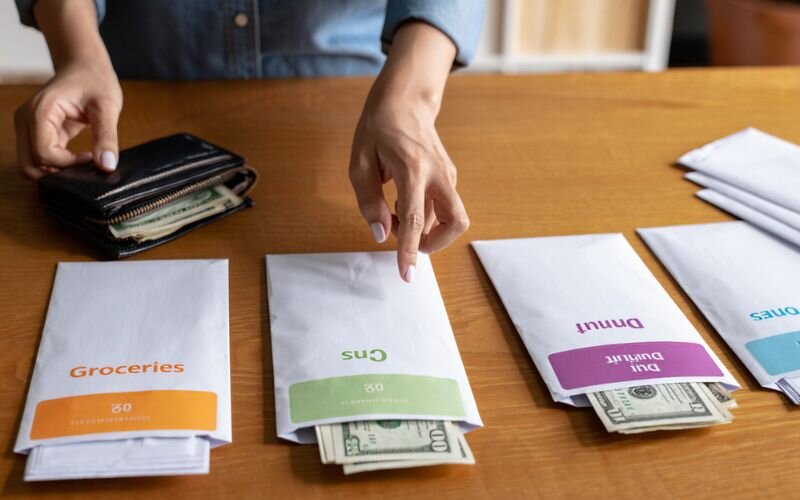
It’s particularly helpful if you tend to overspend with cards or feel disconnected from your money. By using cash, you create a built-in limit that encourages more mindful decisions.
📖 Learn how to start — even if you’re starting from zero: How to start a budget when its too late: 4 simple steps to begin
#funding
#h2tfunding
#nganpham
#finance
#howcanibudgetmymoney
#nganphamh2t


Nhận xét
Đăng nhận xét